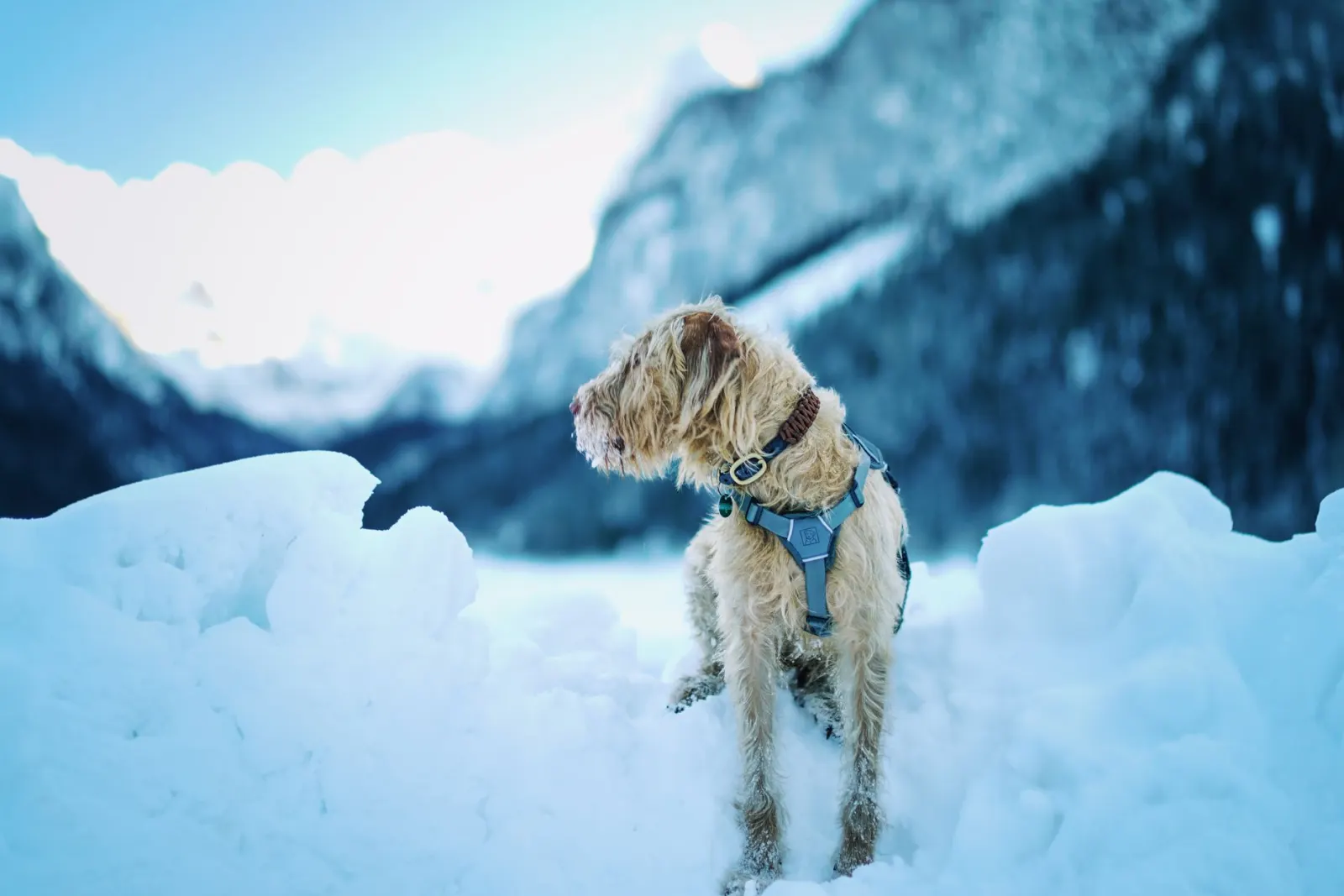
Dogs
No-Pull Dog Harness for Calmer Walks
A front clip reduces pulling without choking. Look for four adjustment points.
Price range $$$$
As an Amazon Associate we earn from qualifying purchases. Links to Amazon.ca are affiliate links: if you buy, we earn a small commission at no extra cost to you.
No-Pull Dog Harness Pros and Benefits
Reduces pulling. The front attachment turns your dog sideways when they pull, so pulling becomes less rewarding.
No pressure on the throat. Force is spread across the chest instead of the neck.
More control in winter. Fewer sudden jolts on snowy and icy sidewalks, for you and your dog.
Two attachment points. Many models also have a back ring, so you can switch once your dog walks well.
What to Know Before Buying a No-Pull Harness
Measure the chest carefully. Measure around the widest part of the rib cage and follow the size chart, not just your dog’s weight.
Check for rubbing. Straps can chafe behind the front legs; check after the first walks and adjust or pick a padded model.
Training still matters. Reward your dog for walking at your side; the harness works best combined with positive training.
What to Look for in a No-Pull Harness
- 1
Front and back clipsGives you a no-pull option and a regular option in one harness.
- 2
Several adjustment pointsAround four adjustment points, at the neck and chest, let you get a snug, secure fit.
- 3
Padding at the chest and bellyReduces rubbing and improves comfort on long walks.
- 4
Reflective trimHelps you be seen during dark winter mornings and early evenings.
- 5
Fit over a winter coatIf your dog wears a coat, check that the harness adjusts large enough to go over it.
Why We Recommend This No-Pull Dog Harness
A no-pull harness is one of the most useful buys for a dog that pulls, especially when sidewalks turn icy. Choose one with both front and back clips, several adjustment points, padding where the straps touch, reflective trim for dark winter walks and enough room to fit over a coat if needed. Measure your dog’s chest carefully, check for rubbing, and pair it with reward-based training.
We compare spec sheets, thousands of verified reviews and availability in Canada. No manufacturer pays to be recommended.
Who Should Buy a No-Pull Harness?
A no-pull harness makes walks calmer for dogs that drag you down the street. The leash clips to a ring on the chest, so when your dog lunges forward, the harness gently turns them back toward you instead of letting them pull straight ahead. There's no pressure on the throat, and you keep better control, which really matters on icy winter sidewalks.
Dogs that pull
The front clip redirects forward pulling, making each walk less of a tug-of-war.
Icy sidewalks
Better control means fewer sudden lunges when you’re trying to keep your footing in winter.
Strong or large dogs
Helps smaller or older owners walk a big, enthusiastic dog more comfortably.
Dogs with sensitive throats
No pressure on the neck, unlike a collar when a dog strains at the leash.
Leash training
A useful tool alongside positive reinforcement while your dog learns loose-leash walking.
Best for: Dogs that pull on walks
Who Should Skip a No-Pull Harness?
Skip it if your dog already walks nicely on a loose leash: a regular back-clip harness is simpler and more comfortable for long outings. A no-pull harness also isn't a substitute for training, so if pulling is severe or comes with reactivity toward other dogs, a certified trainer can help more than gear alone.
No-Pull Dog Harness FAQ
Do no-pull harnesses really work?
+
For many dogs, they noticeably reduce pulling by turning the dog toward you when it lunges forward. They work best combined with training that rewards walking on a loose leash. For severe pulling, a certified trainer can help.
How should a no-pull harness fit?
+
Snug but not tight: you should be able to slide two fingers under the straps. The chest strap should sit on the breastbone, not across the throat, and the harness shouldn’t rub behind the front legs.
Can a dog wear a no-pull harness all day?
+
It’s best used for walks only. Take it off at home so the straps don’t rub, and check your dog’s skin and coat regularly, especially in winter when snow and ice can get trapped under the straps.